The Bloodmoney Remake is absolutely worth your time — and your sanity, if you’re willing to risk it.
If you’ve been wondering whether this game lives up to the original BLOODMONEY!, the answer is a hard yes. The Bloodmoney Remake doesn’t just revisit the source material — it twists it into something darker, heavier, and far more personal. This isn’t your typical horror clicker. Every tap you make on Harvey carries real weight, pulling you deeper into a cycle of profit and psychological decay that’s hard to shake off even after you close the tab.
What makes the Bloodmoney Remake stand out from the crowd of horror games flooding the Halloween season:
- A clicker mechanic that doubles as a moral compass — your greed literally reshapes the world around you
- Three distinct endings (Good, Bad, and Normal) that make every playthrough feel like a different confession
- A shop system where upgrades don’t just boost numbers — they visibly corrupt Harvey and the story itself
- Milestone-triggered events that peel back hidden narrative layers the more reckless (or restrained) you play
This is the kind of game that starts simple and ends with you questioning every decision you made along the way. Whether you’re chasing the good ending or letting greed run wild, the Bloodmoney Remake holds up a mirror — and what stares back depends entirely on you.
Gameplay Unfolds In The Shadows
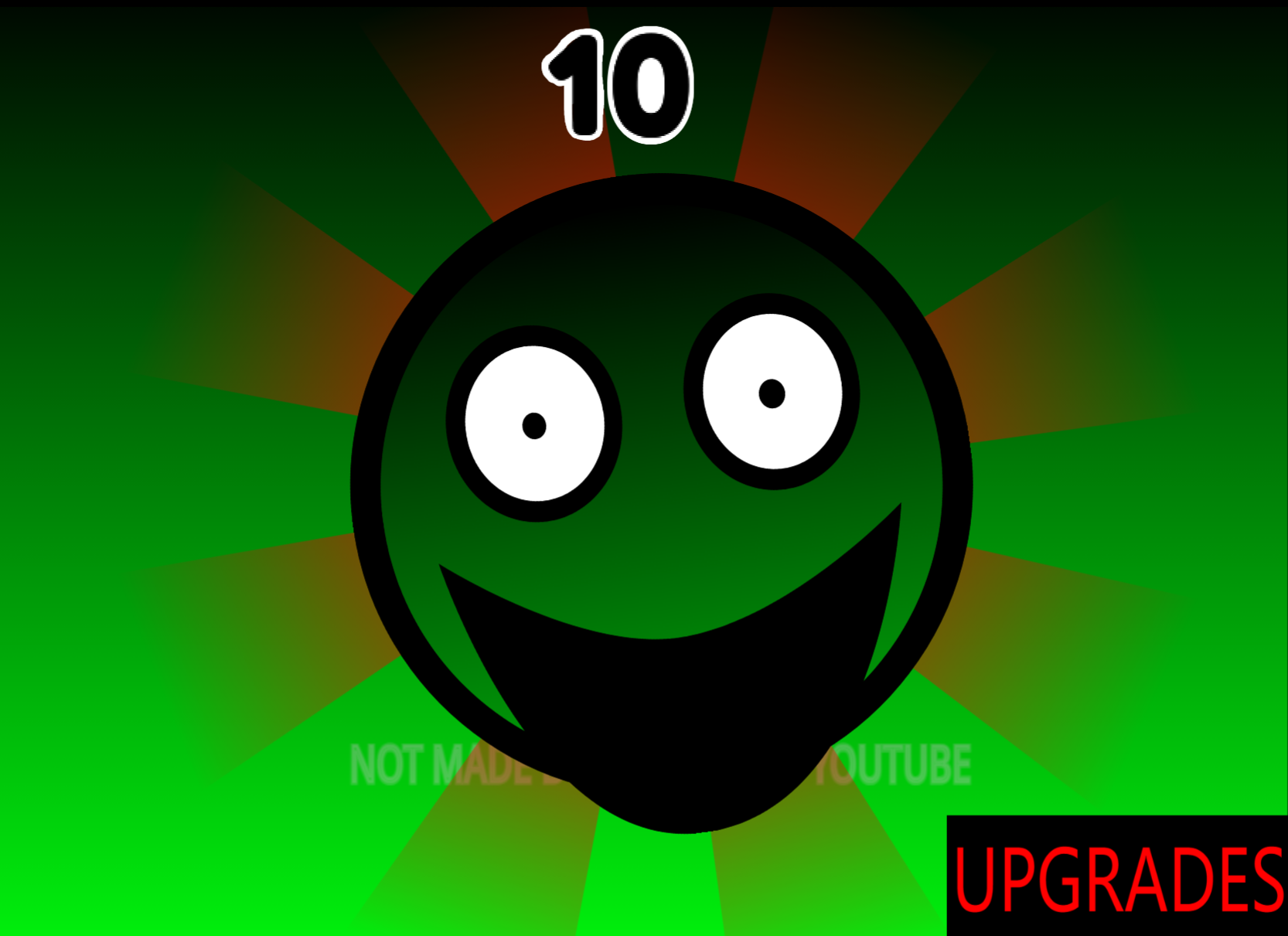
Your first interaction with Harvey feels almost innocent. A click. A small reward. The numbers rise, and for a moment, the game feels like any other clicker. Then the corrosion sets in.
Each click earns wealth and accelerates decay — not just Harvey’s, but your own moral standing within the game’s world. The shop system feeds this cycle. Upgrades increase your profit, but they also amplify what you see on screen: suffering made visible, escalating with every purchase. The more you spend, the harder it becomes to look away from what your greed has built.
Restraint matters here in a way most clickers never ask of you. Pushing too hard, upgrading too fast, strips Harvey of his humanity in ways the game makes impossible to ignore. Milestone achievements trigger disturbing narrative events — hidden story layers that surface only when you’ve crossed certain thresholds. What those thresholds reveal depends entirely on how you’ve played.
Three endings wait at the end of your run: Good, Bad, and Normal. Which one you reach is shaped by the balance you strike between cruelty and mercy across every session. No two paths feel quite the same.
How To Play Bloodmoney Remake
Start With Harvey
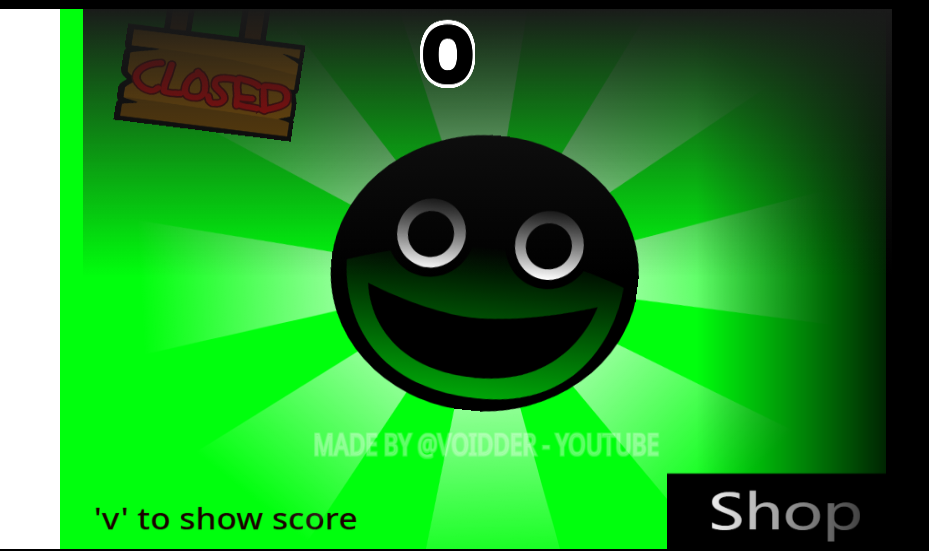
Click on Harvey to generate wealth. That’s the core loop — but the psychological weight builds from the first moment you decide how far to push it.
Use the Shop With Intention
The shop offers upgrades that increase your earnings. Each one also deepens the visible suffering on screen. Buying without thought accelerates Harvey’s distortion. Buying with restraint slows it. Your upgrade choices are, in effect, moral choices.
Watch Your Milestones
Reaching certain milestones triggers disturbing in-game events that peel back new layers of the story. These aren’t just cutscenes — they shift the narrative direction based on how aggressively or carefully you’ve played up to that point.
Shape Your Ending
- Push hard into greed and upgrades: risk the Bad ending, where Harvey’s fate reflects your cruelty.
- Hold back, spend carefully, show mercy: the Good ending becomes possible.
- Play somewhere in between: the Normal ending reflects that ambiguity.
Every click, every hesitation, every purchase forms part of your final judgment. The game keeps score even when you don’t.
Features Of Bloodmoney Remake
Bloodmoney Remake doesn’t just revisit the original — it deepens it. Several mechanics set this remake apart from a standard clicker experience.
Corrosion mechanic. Wealth and decay are tied together from the start. Clicking earns money, but it also introduces visible corruption that compounds over time. This isn’t cosmetic. It shapes what the game shows you and how the story unfolds.
Revamped shop system. Upgrades are more than stat boosts. Each purchase visually amplifies the suffering on screen, making the cost of greed tangible rather than abstract. The shop becomes a place of moral weight, not just progression.
Milestone-triggered narrative events. Reaching key thresholds doesn’t just reward you — it confronts you. Disturbing events surface at milestones, revealing story layers that change depending on your approach to greed and mercy throughout the run.
Three distinct endings. Good, Bad, and Normal outcomes give each playthrough a different shape. The ending you reach is earned through accumulated decisions, not a single final choice. Replaying with a different approach genuinely changes what you experience.
Similar Games
Final Words
Bloodmoney Remake is not a game you finish and forget. It stays with you like a debt you can’t quite settle — the kind that compounds interest long after you’ve closed the tab.
What separates this horror clicker from the seasonal noise is how deliberately it weaponizes your own instincts against you. Greed feels rewarding right up until it doesn’t. Harvey’s slow unraveling acts as a receipt for every reckless purchase, every thoughtless click, every moment you chose profit over restraint. The corrosion mechanic, the milestone-triggered story events, the three branching endings — none of these are decorative. They are the game’s way of holding you accountable.
The shop system deserves special mention. Most clickers treat upgrades as pure progression. Here, each purchase doubles as a confession. You see exactly what your choices cost, rendered visibly on screen with no room for denial.
Three endings sit at the finish line — Good, Bad, and Normal — and the road to each one is paved with every decision you made or avoided. That accountability is rare in horror games, and rarer still in clickers.


 New
New









Discuss Bloodmoney Remake