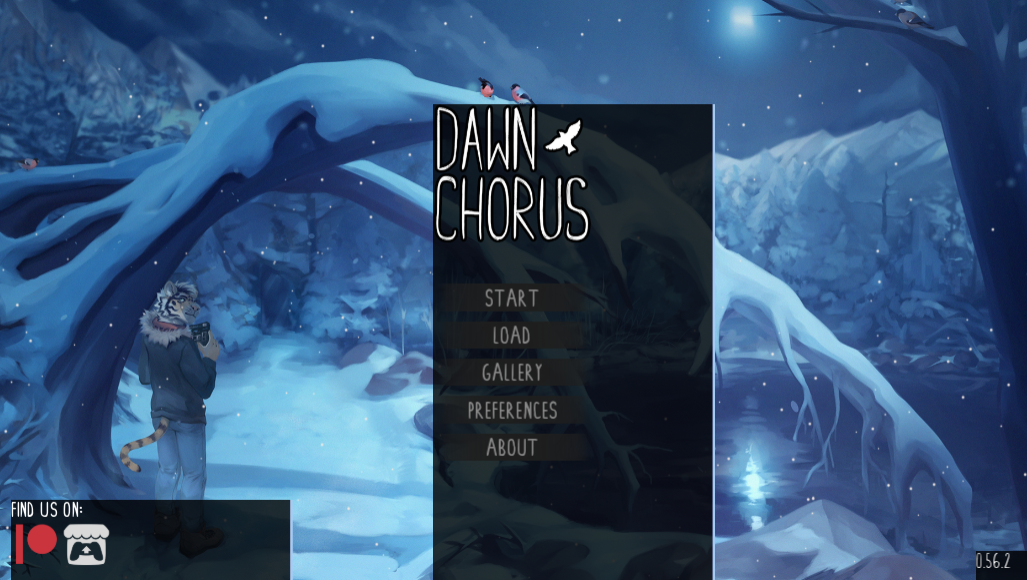
Dawn Chorus is a narrative-driven visual novel set in an isolated Arctic research station where your dialogue choices determine relationships, group dynamics, and potential romance with fellow scientists.
You’ll also find specifics on replay value, since Dawn Chorus is built for multiple playthroughs with branching routes that change based on who you prioritize.
Dawn Chorus: Gameplay Guide, Tips & Strategies
Dawn Chorus is a narrative-driven visual novel set in an isolated Arctic science camp where dialogue choices shape friendships, tension, and possible romance. You navigate a winter study trip through shared meals, hallway encounters, and late-night conversations.
Progress comes from watching emotional patterns, prioritizing specific character routes, and making deliberate decisions about who you spend time with and how you respond to them.
The Arctic setting strips away normal routines, turning small choices into high-stakes social moments where pauses, defensive jokes, and half-honest answers reveal more than direct confessions.
Core Gameplay
The game moves through camp scenes, conversations, shared activities, and private exchanges. Each choice nudges relationships in a specific direction—a warm answer may unlock trust, a guarded line may keep tension alive, and ignoring someone too often can quietly close off deeper scenes.
Your real resource is attention: who you spend time with, what tone you choose, and which emotional signals you notice. Instead of chasing a single “correct” ending, you actively shape the social landscape by choosing whether to rebuild a fractured bond or pursue an unexpected new connection.
Game Controls
- Mouse Click / Touch Tap: Advance text, select dialogue choices, interact with menus
- Full-Screen Toggle: Prevents missing visual cues on smaller displays
- Landscape Mode: Recommended for mobile to keep character portraits and text boxes aligned
- Save/Load Menu: Lock in progress before relationship-altering decisions
Tips & Strategies
Choose a Route Intention Early
Decide whose trust you want to deepen before drifting through camp conversations. Dividing attention too evenly can make connections feel thin and unresolved. Pick a main focus, then let side interactions support that emotional direction. Dawn Chorus rewards consistency—if you want a relationship to grow, spend time there and respond with intent.
Read Tone Before Selecting Dialogue
Small wording differences create meaningful pressure. A gentle question may invite honesty. A joke may protect someone from embarrassment. A blunt answer may challenge avoidance.
Before choosing, ask what your response does:
- Does it comfort the character?
- Does it push them to be honest?
- Does it avoid conflict or create distance?
- Does it match the version of Dawn you are playing?
The same answer can feel supportive in one context and careless in another.
Track the Hesitations
Ellipses, pauses, sudden mood shifts, and awkward deflections often signal hidden worry or unresolved history. Portrait changes and shifts in phrasing can matter as much as the literal words. Slow down before selecting a response.
Use Friction Strategically
Not every strong scene comes from being agreeable. Sometimes an honest disagreement reveals more than a safe compliment.
Carefully challenging someone’s avoidance can make a scene more honest when it matches the bond you are trying to shape, but randomly provoking people may close doors.
Replay With a New Emotional Lens
On a second run, reframe your approach rather than picking opposite choices at random. Try playing Dawn as warmer, more guarded, more direct, or more willing to sit with silence.
This makes the branching structure more rewarding because you watch how character dynamics change when your version of Dawn responds differently.
Avoid Rushing Quiet Scenes
Slower moments carry weight. Shared pauses, uneasy jokes, and sudden mood shifts often signal where a route is tightening. Take your time with scenes that seem uneventful—in Dawn Chorus, quiet rarely means empty.
Common Mistakes and Fixes
Rushing dialogue: Speed-clicking strips away subtext.
Fix: Read reactions carefully and think about what each character is avoiding or trying to say indirectly.
Chasing a perfect answer: The game is not about solving every person or finding one flawless response.
Fix: Answer naturally based on the relationship you want to shape.
Spreading attention too widely: Broad friendliness can block intimate route moments.
Fix: Commit to one or two characters and let some tensions remain unresolved.
Ignoring visual and text cues: Portrait changes, pauses, and phrasing shifts matter.
Fix: Play in full-screen or landscape mode, especially on smaller screens.
Treating replay as completion: Picking random alternate choices makes routes feel scattered.
Fix: Replay with a clear strategy—be more open, more cautious, or more willing to challenge others.
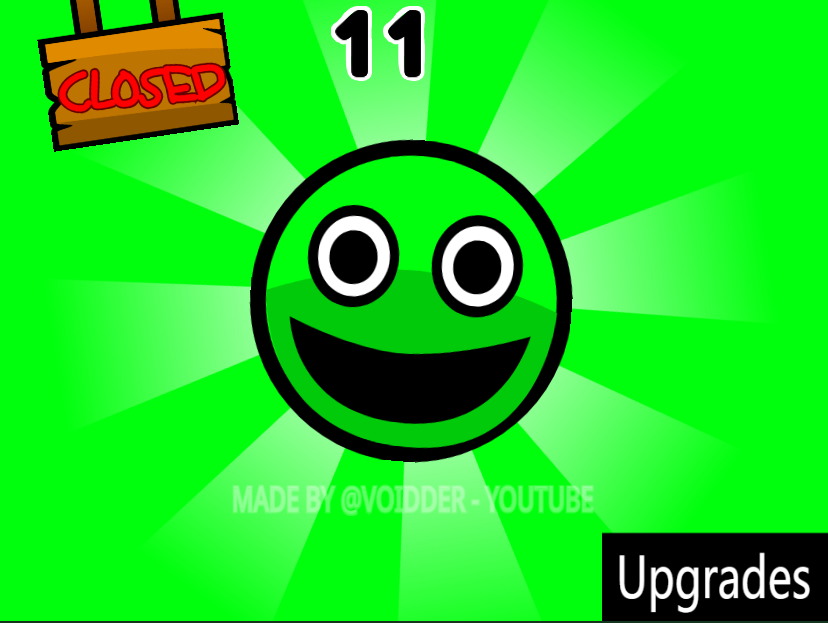
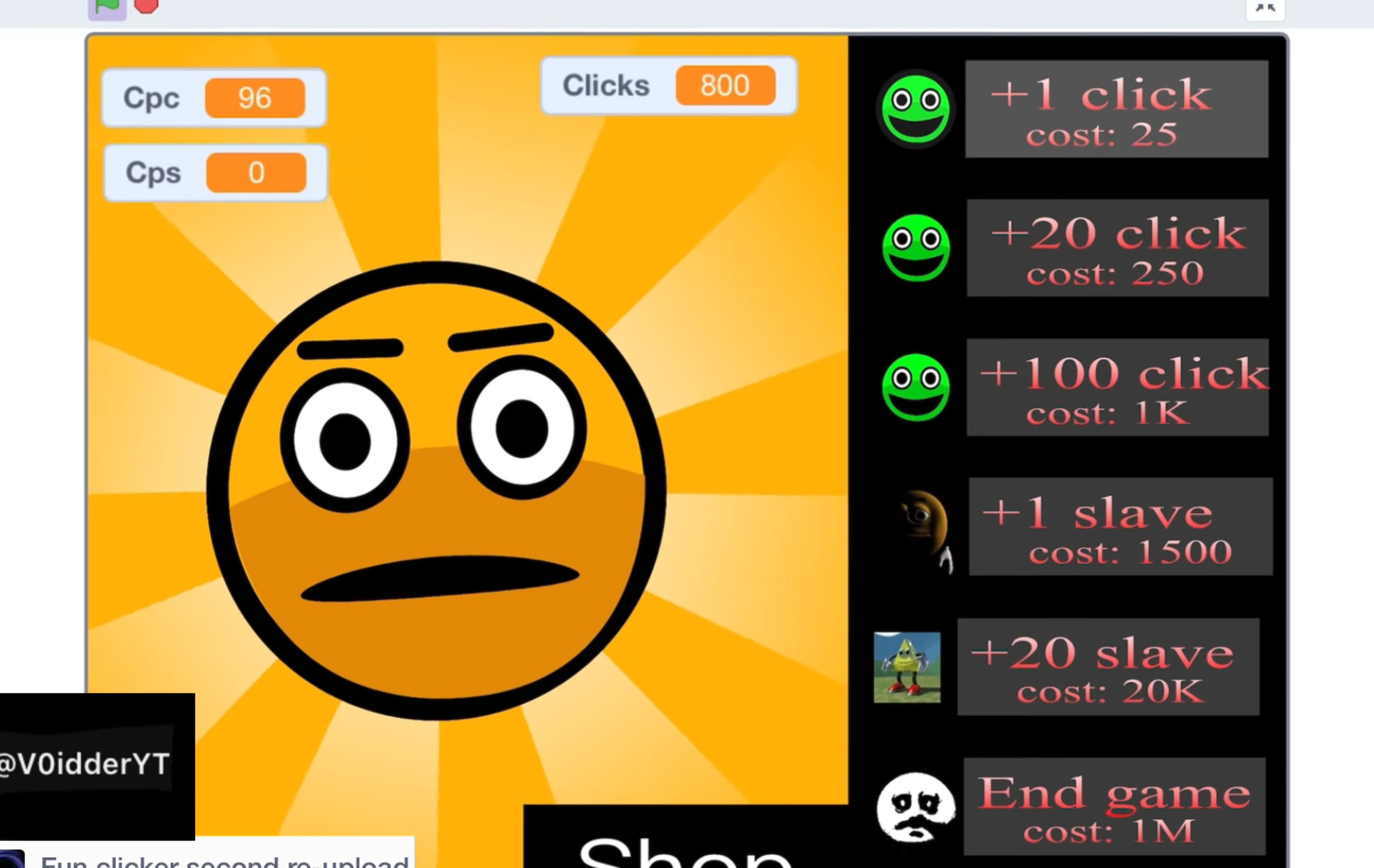
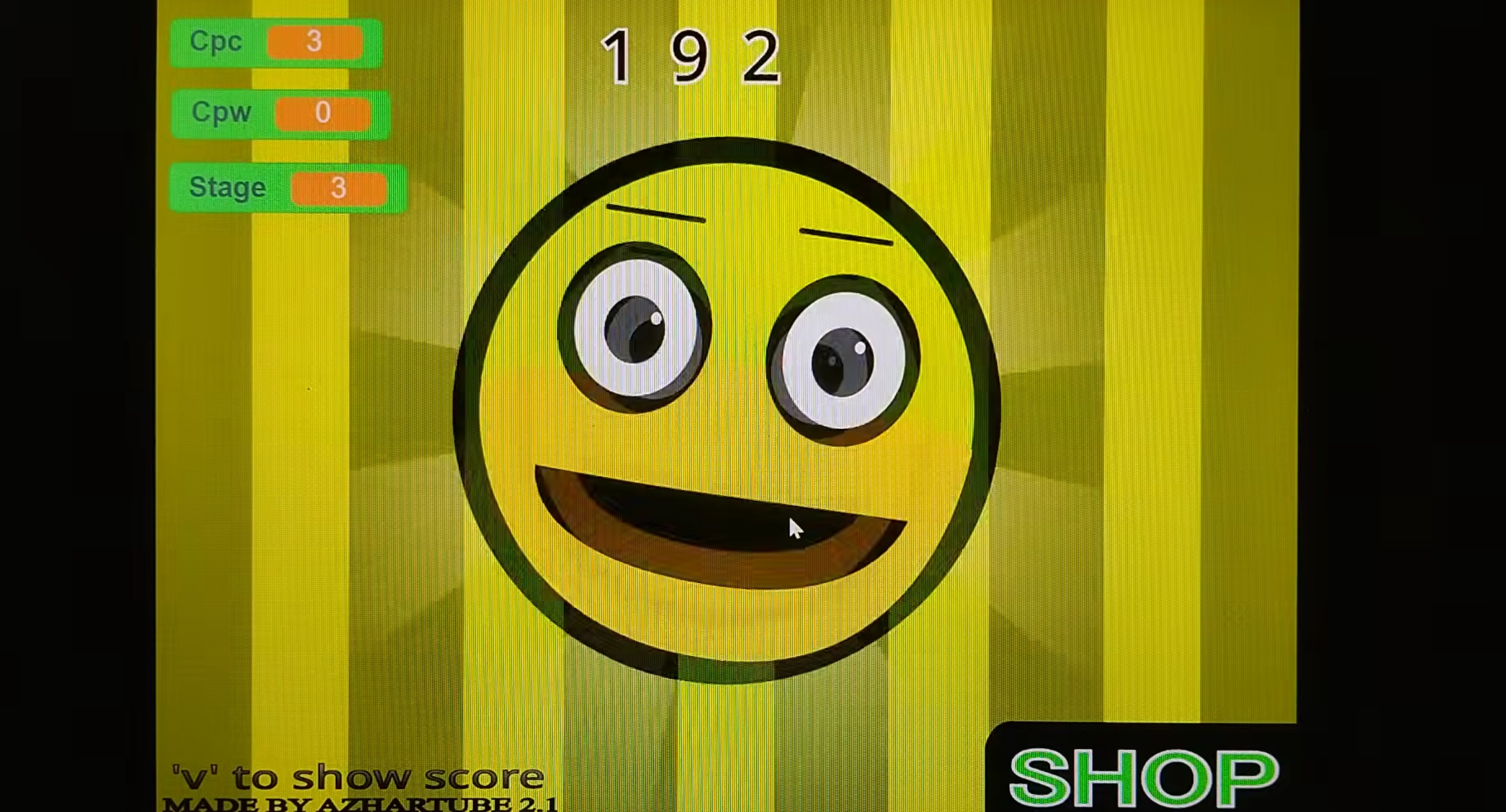
- Pressing Under Pressure — Its pressure-focused clicker loop offers a sharper, more mechanical kind of tension for players who enjoy Dawn Chorus’s constant sense of social and emotional stress.
Why Play Dawn Chorus?
The remote Arctic setting serves as a narrative pressure cooker, making every private conversation feel focused and urgent. Relationships develop through slow-burning trust and emotional vulnerability rather than stat-checking or gift-giving. The branching design rewards players who replay scenes with different tones, reframing how characters act and what they reveal about themselves.

 New
New






Discuss Dawn Chorus